Scratched Mono Textured J Embroidery Design Review
A First Look at Scratched Mono Textured J
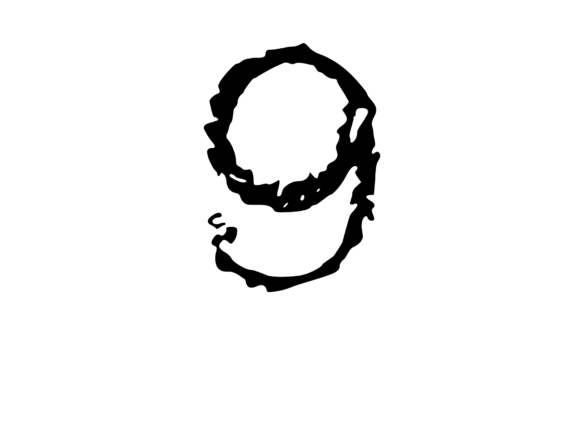
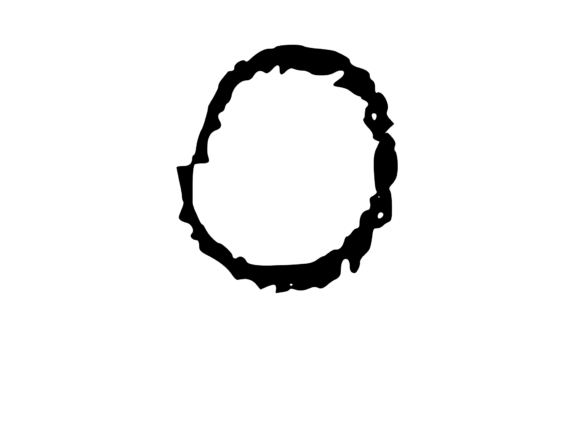
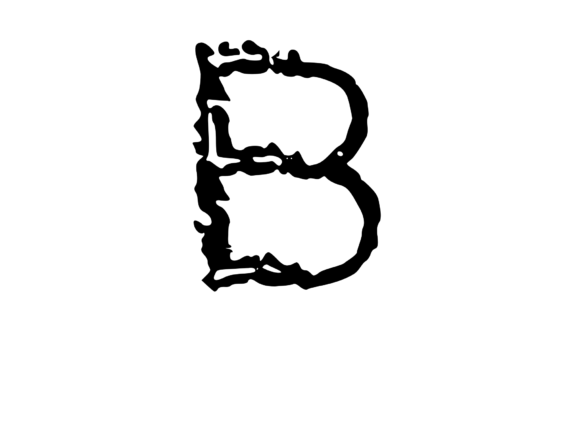
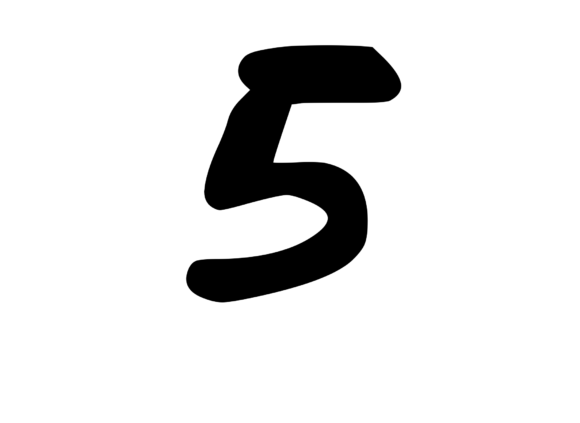
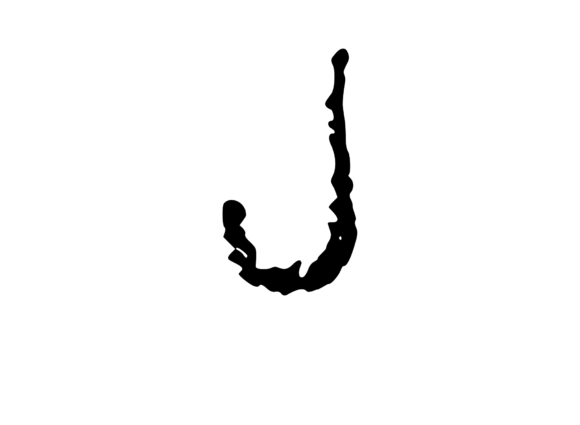
When I first opened the Scratched Mono Textured J file, it immediately caught my eye with its raw, textured appearance. The letter "J" feels like it's been deliberately distressed, giving it a weathered and artistic edge that stands out from more polished or traditional fonts.
The design has a moody, slightly edgy vibe—perfect for those who want to add character without going overboard. It’s not overly detailed, which makes it feel more like a statement piece than a background element. This kind of texture works well for handmade products where the design is meant to be the focal point.
Real-Life Use: Custom Tote Bag Embroidery
Let’s imagine using Scratched Mono Textured J on a custom embroidered tote bag. As someone who often creates personalized gifts and small shop merchandise, I think this design would look great on a sturdy canvas tote. Its texture adds depth, especially when paired with a dark fabric or a subtle thread color.
I can see this being used as a personalized gift for a friend who loves vintage aesthetics or as a branding element for a boutique that sells artisanal goods. However, I’d test it on scrap fabric first to ensure the stitch density doesn’t cause puckering or distortion on the heavier material.
For sweatshirt embroidery or cap designs, I’d consider the placement carefully. The texture might not translate well on smaller hoop sizes or curved surfaces, so it would need to be scaled appropriately and stabilized properly.
Visual Appeal and Practical Considerations
The Scratched Mono Textured J has a strong visual impact, but it also needs the right context to shine. On a pillow cover or kitchen towel, it could add a unique touch. But on something like a baby item, it might be too bold unless paired with a soft, neutral background.
One thing to keep in mind is thread color contrast. A light gray or black thread would work best against darker fabrics, while white or cream might be better on lighter materials. Testing the design in black and white mockups before finalizing the project is always a good idea.
Also, since this is an embroidery file, the stitch types are important. The Scratched Mono Textured J uses a combination of satin stitch and fill stitch, which gives it that rough, layered look. However, if you're working on thin fabric or stretchy materials, you’ll need to use a proper stabilizer to prevent shifting.
Where to Use with Caution
While the Scratched Mono Textured J is versatile, there are some scenarios where it might not be the best fit. For example, on small hoop sizes, the texture might become too dense and lose its visual appeal. Similarly, on dark fabric, the design may not stand out as much unless the thread color is chosen carefully.
If you're planning to use it on layered garments or curved surfaces, make sure the design is centered and balanced. Tiny lettering or dense stitch areas could also be problematic, especially if the fabric is thin or delicate.
Design Notes for Embroidery Projects
Before committing to using Scratched Mono Textured J in a commercial or personal project, here are a few practical steps to take:
- Test on scrap fabric: Always do a trial run to check how the design looks in real life.
- Check thread colors: Ensure the thread color contrast works well with your chosen fabric.
- Review stitch density: Make sure the stitch density isn’t too heavy for the fabric type you’re using.
- Confirm hoop size: Choose the right hoop size to avoid distortion.
- Inspect small details: Check for any imperfections in the design that might show up after stitching.
- Use proper stabilizer: Especially important for thin fabric or textured materials.
For Etsy sellers or craft business owners, it’s also crucial to confirm licensing terms before selling finished items or digital product previews. If you're unsure, reach out to the designer for clarification.
Final Thoughts on Scratched Mono Textured J
In summary, Scratched Mono Textured J is a unique and expressive design that can elevate the look of various embroidery projects. Whether you're creating custom apparel, handmade products, or personalized gifts, this design has the potential to add a distinctive flair to your work.
However, it's important to approach it with a clear understanding of its limitations and strengths. By testing it thoroughly and considering fabric choices, thread colors, and stitch density, you can ensure that the final finished product meets your expectations and delivers the visual impact you're aiming for.